Certified Sofer STaM
Torah Scroll Inspection Services
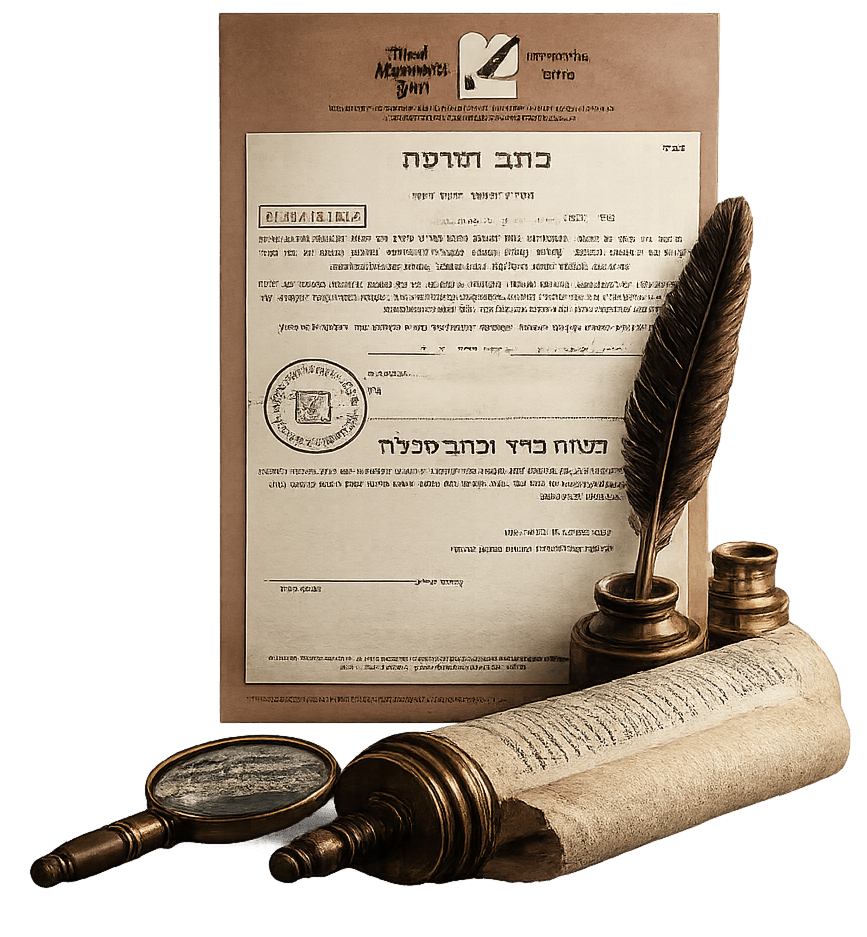
Professional Sefer Torah Inspection by a Certified Sofer STaM
A Torah scroll is one of the most sacred possessions in Jewish life. Whether used regularly in synagogue services or preserved for future generations, every Sefer Torah should be inspected periodically to ensure it remains kosher according to halachic standards.
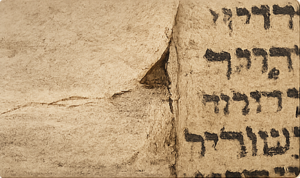
House of Ishai provides professional Torah scroll inspection services performed by a certified Sofer STaM. Every Torah is carefully examined letter by letter to identify damage, fading ink, missing letters, parchment concerns, and other issues that may affect its kosher status.
We proudly serve synagogues, yeshivas, Chabad centers, Jewish organizations, and families throughout the United States.
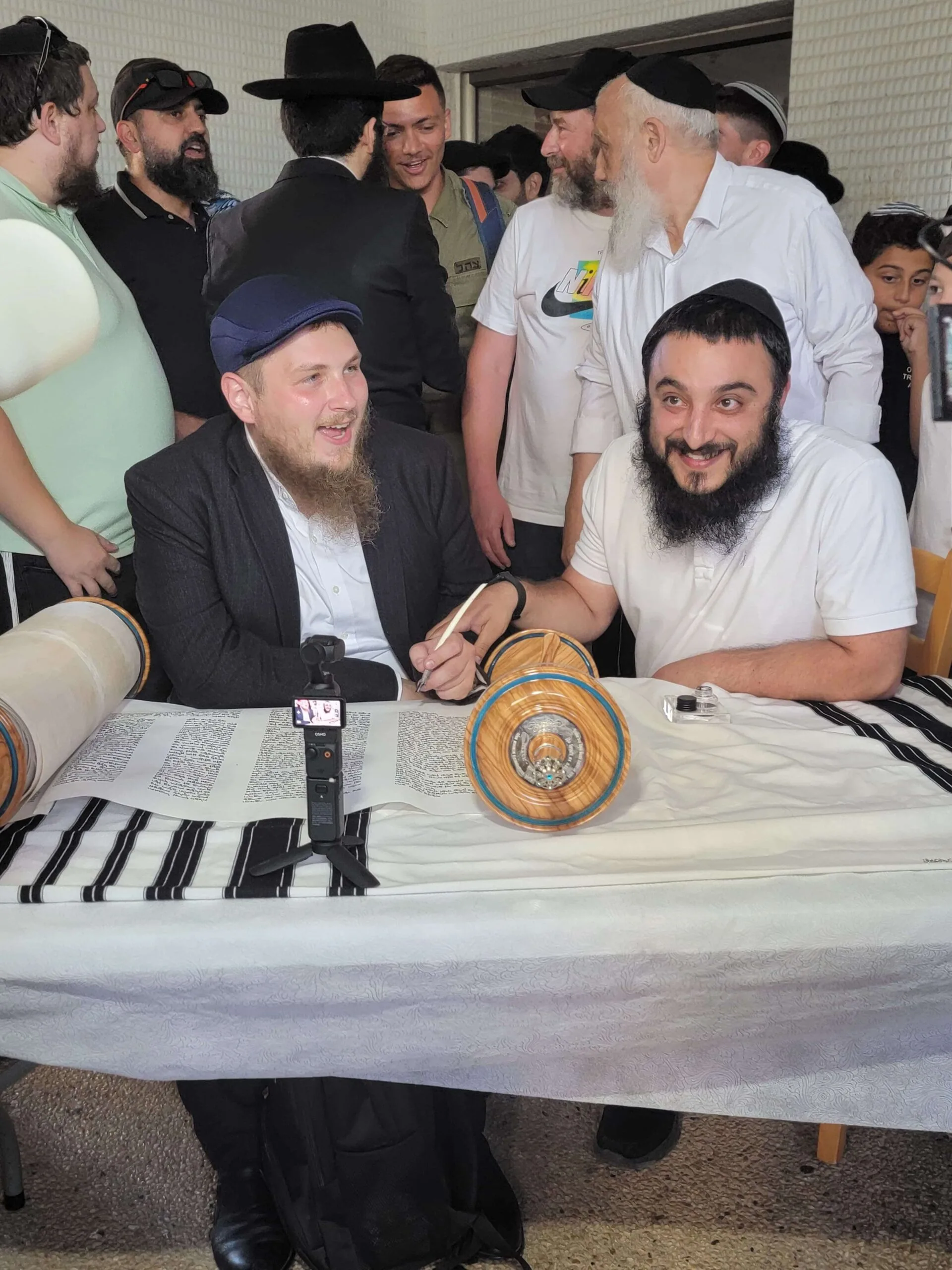
What Is a Torah Scroll Inspection?
A Torah scroll inspection is a detailed examination of the handwritten text, parchment, and overall condition of a Sefer Torah.
Over time, Torah scrolls naturally experience wear due to:
- Regular synagogue use
- Aging parchment
- Humidity and climate conditions
- Ink deterioration
- Improper storage
- Physical handling
Even a single damaged or missing letter can impact the Torah’s kosher status. Regular inspections help identify issues before they become more serious.

Why Is Torah Scroll Inspection Important?
Every Torah scroll contains over 304,000 handwritten Hebrew letters. According to Jewish law, each letter must be complete, legible, and properly formed.
A Torah scroll inspection helps:
Preserve Kosher Status
Regular inspections ensure the Torah remains suitable for public reading and religious use.
Identify Damage Early
Regular inspections ensure the Torah remains suitable for public reading and religious use.
Protect Historical Torah Scrolls
Older Torah scrolls often require ongoing monitoring to preserve their condition and heritage.
Maintain Community Standards
Synagogues and Jewish institutions rely on Torah scrolls that meet accepted halachic requirements.
Common Problems Found During Torah Scroll Inspections
As Torah scrolls age, a variety of issues may develop
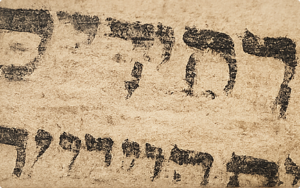
Faded Hebrew Letters
Ink naturally deteriorates over time and may become difficult to read.
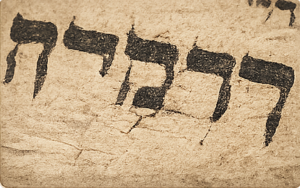
Cracked Letters
Dry parchment and aging ink can cause letters to crack or separate.
Missing Ink
Repeated rolling and handling may cause portions of letters to fade.
Parchment Damage
Tears, wrinkles, moisture exposure, and environmental conditions can affect parchment integrity.
Letter Contact Issues
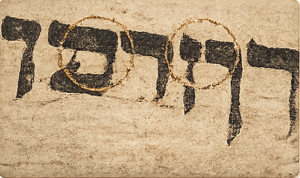
Certain Hebrew letters must remain separate according to halachic standards. When letters touch improperly, corrections may be required.
Structural Wear
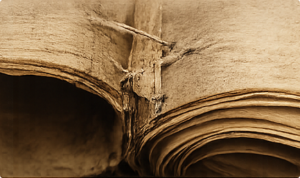
Older Torah scrolls may develop issues related to stitching, panels, or long-term use.

How Often Should a Torah Scroll Be Inspected?
The frequency of Torah scroll inspections depends on usage, storage conditions, and age.
Many synagogues and Jewish institutions schedule periodic inspections to maintain confidence in the Torah’s kosher status.
Inspections are especially recommended:
- Before High Holy Days
- After water exposure
- Following long-term storage
- When visible damage is discovered
- Before purchasing a Torah scroll
- As part of routine synagogue maintenance

What Makes a Torah Scroll Kosher?
A kosher Torah scroll must be:
- Written by a qualified Sofer STaM
- Written on kosher parchment
- Written using approved ink
- Free of missing or damaged letters
- Properly formatted according to halachic requirements
- Maintained in acceptable condition
A professional Torah inspection helps verify that these standards continue to be met.

Related Torah Services
In addition to Torah scroll inspections, House of Ishai provides:
- Torah Scroll Restoration
- Torah Scroll Repair
- Sefer Torah Certification
- Torah Scroll Maintenance
- Torah Scroll Evaluation
- Torah Scroll Consultation
- Tefillin Inspection
- Mezuzah Inspection
- Sofer STaM Services